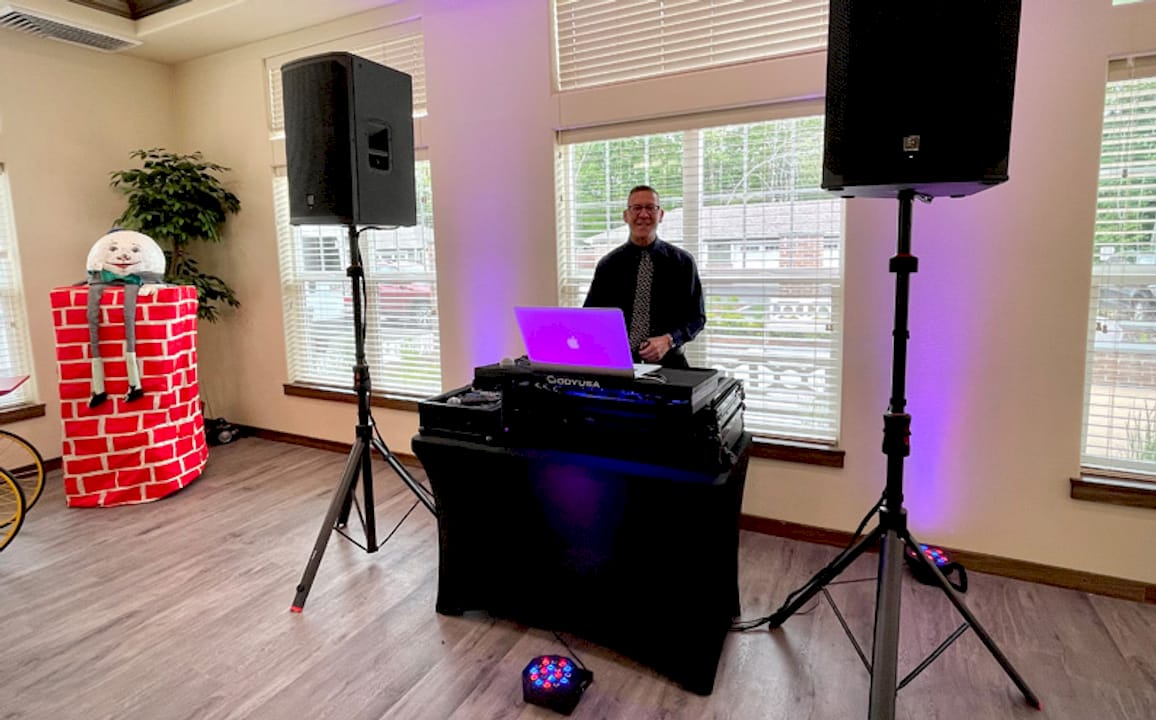
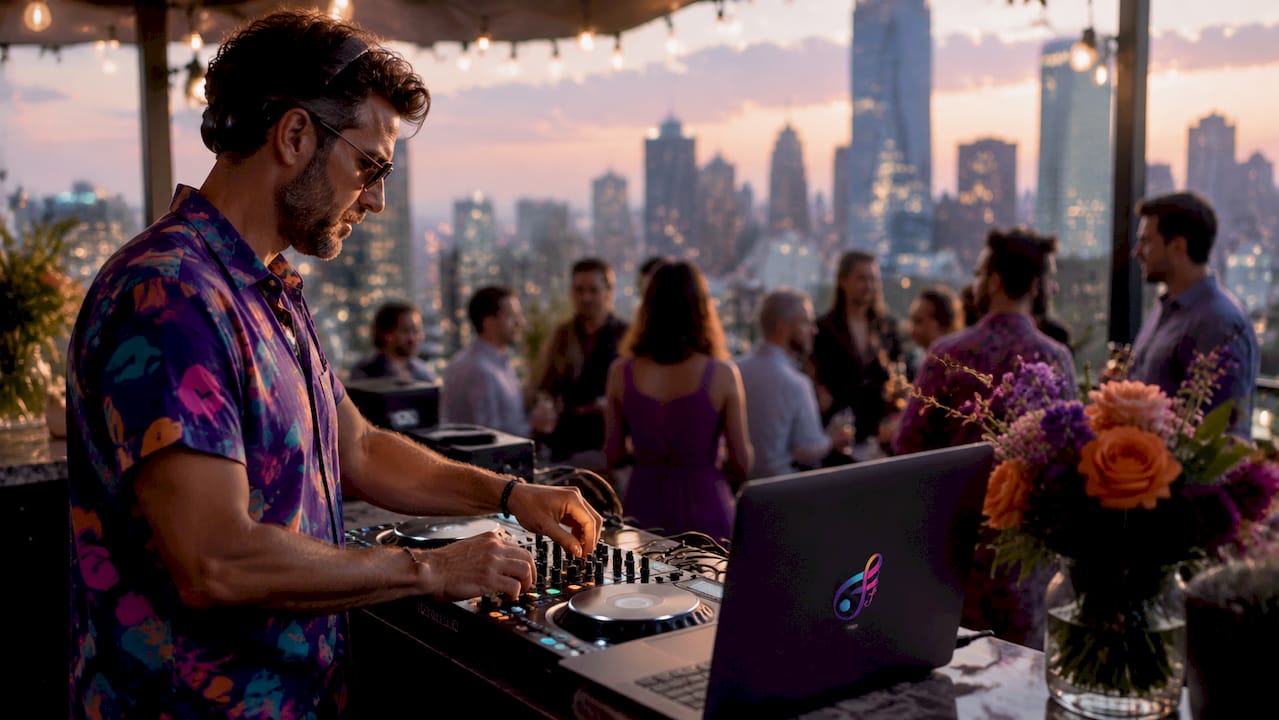
A corporate DJ is defined as a professional event specialist who controls atmosphere, pacing, and guest engagement through music and live facilitation. The role of a DJ at corporate parties goes well beyond pressing play on a playlist. A skilled DJ reads the room, manages transitions between formal and social segments, and aligns every musical choice with your company's brand identity. For event planners in Northern Utah and beyond, understanding what a corporate DJ actually does is the difference between a forgettable evening and one guests talk about for months.
How do DJs shape the energy and pacing of corporate parties?
Music shapes event energy and guest behavior in ways that go far beyond background noise. The right track at the right moment influences how long guests linger at the networking bar, how confidently they approach new colleagues, and whether dead air kills the momentum between sessions.
Corporate DJs use a set of deliberate pacing techniques that most guests never consciously notice:
- Micro-transitions: Instrumental swells signal guests to find their seats without a single word from the MC.
- Stingers: Short audio cues alert the room that a speaker or announcement is coming, reducing chaos.
- Tempo shifts: Gradually increasing BPM moves guests from a seated dinner mindset into a social, dancing mood.
- Volume management: Lowering the mix slightly during networking encourages conversation rather than shouting.
- Dead-air elimination: Continuous low-level music fills the silence during AV resets or speaker changeovers.
Corporate DJs manage formal-to-social transitions with purposeful music cues that maintain momentum without feeling abrupt. A well-timed transition from a keynote address into a cocktail hour, for example, can shift the entire emotional register of the room in under 60 seconds.
Pro Tip: Share your full event run-of-show with your DJ at least two weeks before the event. The more they know about speaker order, award segments, and dinner timing, the more precisely they can cue music to support each moment.
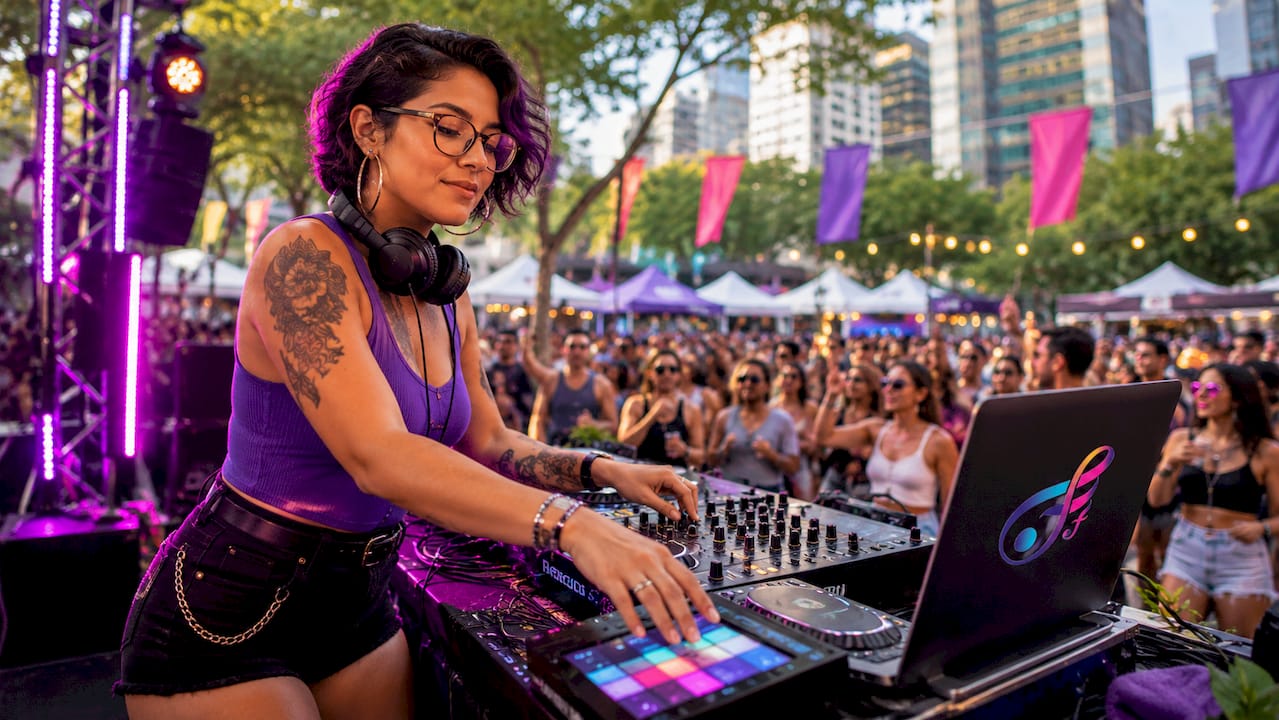
Coordination with the event schedule is non-negotiable. A DJ who operates in isolation from your agenda is a liability. The best corporate DJs treat the run-of-show as their score, hitting every cue the way a film composer hits a scene change.
What unique challenges do corporate DJs face compared to other event DJs?
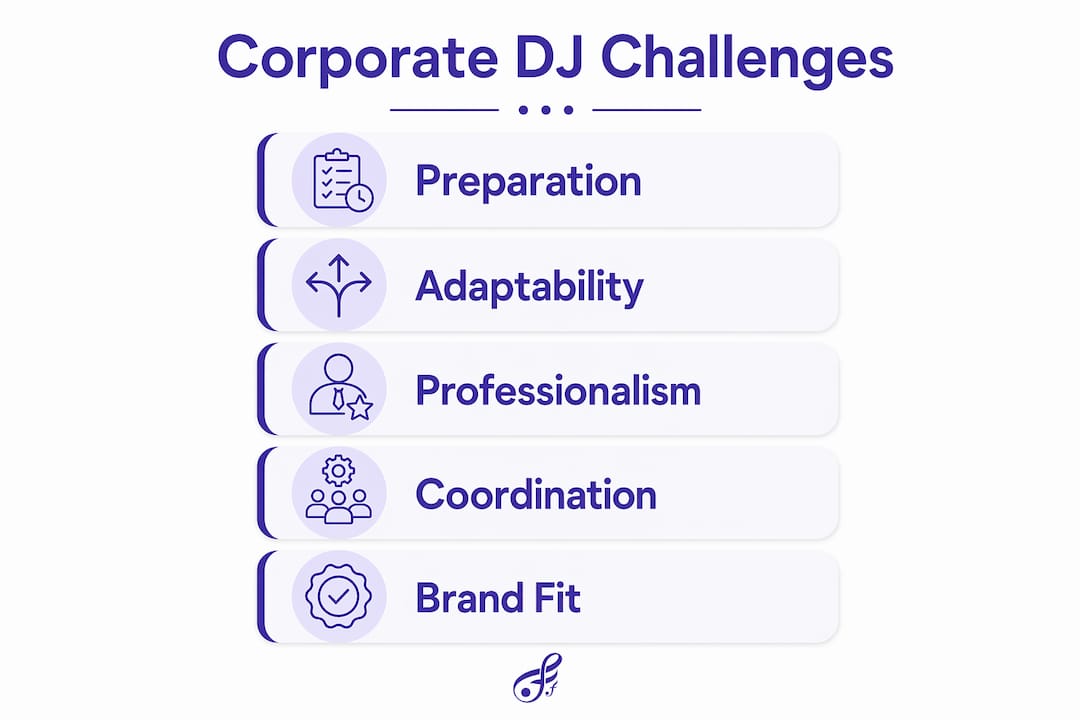
Corporate events present a set of demands that club or wedding DJs rarely encounter. The audience alone creates complexity that requires a fundamentally different approach.
-
Audience diversity. A single corporate party may include executives in their 60s, entry-level staff in their 20s, and international guests from multiple cultural backgrounds. Mixed ages, seniority, and cultures require DJs to rotate eras and styles, include global hits, and avoid only catering to the loudest demographic in the room.
-
Corporate etiquette. Volume levels, lyric content, and genre choices that work at a nightclub are often inappropriate at a company event. Corporate DJs differ from club DJs by prioritizing subtle control of volume, style, and transitions that fit a professional setting.
-
Technical constraints. Corporate venues often lack audio-aware operators on staff. Corporate events frequently require simplified routing and pre-configured equalization so that the system runs reliably even when no dedicated audio technician is present. Best practice means pre-wiring systems for easy operation by venue staff who have never touched the gear.
-
Live event changes. Schedules shift. Speakers run long. Award segments get added at the last minute. A corporate DJ must adapt in real time without disrupting the guest experience.
Pro Tip: Ask any DJ candidate how they handle a last-minute schedule change. Their answer tells you more about their corporate readiness than their demo reel ever will.
The gap between a great club DJ and a great corporate DJ is not about technical skill. It is about judgment, professionalism, and the ability to serve an event's goals rather than personal artistic preferences.
How do DJs contribute to brand alignment and corporate culture?
A DJ who shows up with a generic playlist is a missed opportunity for brand expression. Every company has a personality, and a skilled DJ translates that personality into sound.
Consider the difference between a fintech firm's annual awards dinner and a creative agency's end-of-year party. The fintech event calls for polished, understated music that projects confidence without distraction. The creative agency event can push into bolder, more eclectic territory that reflects the company's culture. The same DJ playing the same set at both events fails both clients.
Brand-aligned DJ work involves several deliberate choices:
- Curated opening music that sets the tone before a single guest is formally welcomed.
- Genre selection that reflects the company's industry, values, and workforce demographics.
- Avoiding overplayed tracks that feel generic and signal a lack of preparation.
- Matching energy to event milestones such as award announcements, product reveals, or executive toasts.
A DJ's mic presence and MC role add another layer of brand alignment. When a DJ introduces a speaker or bridges two agenda segments, their tone, vocabulary, and energy become part of your company's public voice for that evening. A DJ who sounds polished and professional reinforces your brand. One who sounds unprepared does the opposite.
Early DJ involvement in event strategy allows them to design soundscapes that fit your brand personality and event goals rather than defaulting to whatever worked at the last event they played. Treat your DJ as a creative partner, not a vendor you brief the week before.
What should event planners consider when selecting a corporate DJ?
DJ selection for corporate functions requires a different checklist than hiring entertainment for a private party. The stakes are higher, the audience is more complex, and the margin for error is smaller.
| Selection Factor | What to Evaluate |
|---|---|
| Audience fit | Does the DJ have experience with your specific age range, industry, and cultural mix? |
| Mic presence | Can they introduce speakers and make announcements clearly and professionally? |
| Technical self-sufficiency | Do they bring their own reliable gear and handle setup without venue staff support? |
| Event coordination | Will they review your run-of-show and coordinate with your production and lighting teams? |
| Music flexibility | Can they shift genres and energy levels in real time based on crowd response? |
The importance of DJs in corporate events is directly tied to how well they are integrated into the overall event plan. A DJ brought in as an afterthought, given a two-hour window and no briefing, will deliver a two-hour window of generic music. A DJ involved from the planning stage delivers an experience.
Audience-first DJ selection produces better engagement and protects your brand. Define your audience and your event outcome before you evaluate any DJ. That clarity makes every other selection decision easier.
A DJ's collaboration with lighting and staging teams also matters more than most planners realize. Working closely with lighting and staging to align mood changes with agenda segments creates the kind of cohesive experience that feels effortless to guests. That cohesion does not happen by accident. It requires early coordination and clear communication between every production vendor on your team.
Key Takeaways
A corporate DJ is a strategic event partner whose music, timing, and mic presence directly shape guest engagement, brand perception, and event flow.
| Point | Details |
|---|---|
| DJs control event pacing | Music cues, tempo shifts, and dead-air elimination keep momentum through every agenda segment. |
| Corporate DJs face unique demands | Audience diversity, corporate etiquette, and technical constraints require specialized skills beyond club or wedding DJing. |
| Brand alignment requires early involvement | Bring your DJ into planning early so their music choices reflect your company's identity and event goals. |
| DJ selection should be audience-first | Define your audience demographics and event outcome before evaluating any DJ candidate. |
| MC capability adds measurable value | A DJ who can introduce speakers and bridge segments professionally strengthens your event's overall presentation. |
Why I stopped treating the DJ as the last line item on the budget
After working dozens of corporate events across Northern Utah, the pattern is consistent. The events that fall flat are almost never the ones with a bad caterer or a mediocre venue. They are the ones where the DJ was booked last, briefed minimally, and treated as background furniture.
The uncomfortable truth is that music is the only element of your event that never stops. The food ends. The speeches end. The awards end. The music is there from the moment the first guest walks in to the moment the last one leaves. That gives the DJ more cumulative influence over the guest experience than almost any other vendor in the room.
What I have seen work consistently is treating the DJ as part of the event choreography from day one. That means sharing the run-of-show, discussing the brand, talking through the audience demographics, and looping them in with your lighting and production vendors. A DJ who knows your agenda, your brand, and your audience does not just play music. They conduct the emotional arc of your evening.
The other mistake I see regularly is hiring a DJ based on price alone. Corporate DJ rates typically range from $100 to $200 per hour, with smaller events sometimes closer to $75 per hour. That range reflects real differences in experience, equipment quality, and service scope. The DJ at the bottom of that range may be technically competent. They are rarely the right fit for a high-stakes corporate event where your brand is on the line.
Hire for fit, not just for price. Your guests will feel the difference even if they cannot name it.
— Drew Wamer
Fiesta Fusion's approach to corporate event entertainment
Fiesta Fusion brings veteran-owned professionalism to corporate party entertainment throughout Ogden, Weber County, Davis County, and Salt Lake City. Every corporate event is different, and Fiesta Fusion's DJs prepare specifically for your audience, your brand, and your agenda rather than arriving with a one-size-fits-all set.
From coordinating with your lighting and production team to serving as a polished on-mic presence between agenda segments, Fiesta Fusion handles the details that protect your brand and keep your guests engaged. Pair your DJ with event enhancements like uplighting and custom monograms to create a fully branded atmosphere. Visit Fiesta Fusion to discuss your corporate event and get a custom quote from a team that treats entertainment as a strategic part of your event plan.
FAQ
What is the role of a DJ at a corporate party?
A corporate DJ controls event atmosphere, manages transitions between agenda segments, and keeps guests engaged through music and light MC duties. Their role extends to brand alignment, pacing, and real-time adaptation to schedule changes.
How much does a corporate DJ cost per hour?
Corporate DJ rates typically range from $100 to $200 per hour, with smaller or more casual events sometimes closer to $75 per hour. Final pricing reflects experience, equipment, and the scope of services required.
How is a corporate DJ different from a wedding or club DJ?
Corporate DJs prioritize subtle volume control, genre flexibility, and professional mic presence over high-energy performance. They serve a diverse, multigenerational audience and must align their choices with company brand standards and event etiquette.
When should I involve a DJ in corporate event planning?
Involve your DJ as early as possible, ideally during the initial planning phase. Early involvement allows them to design music and transitions that fit your brand and event goals rather than defaulting to a generic playlist.
Do corporate DJs also serve as MCs?
Many corporate DJs double as light MCs, introducing speakers, making announcements, and bridging agenda segments. This dual role adds real value by keeping the event flow clear and professional without requiring a separate emcee hire.