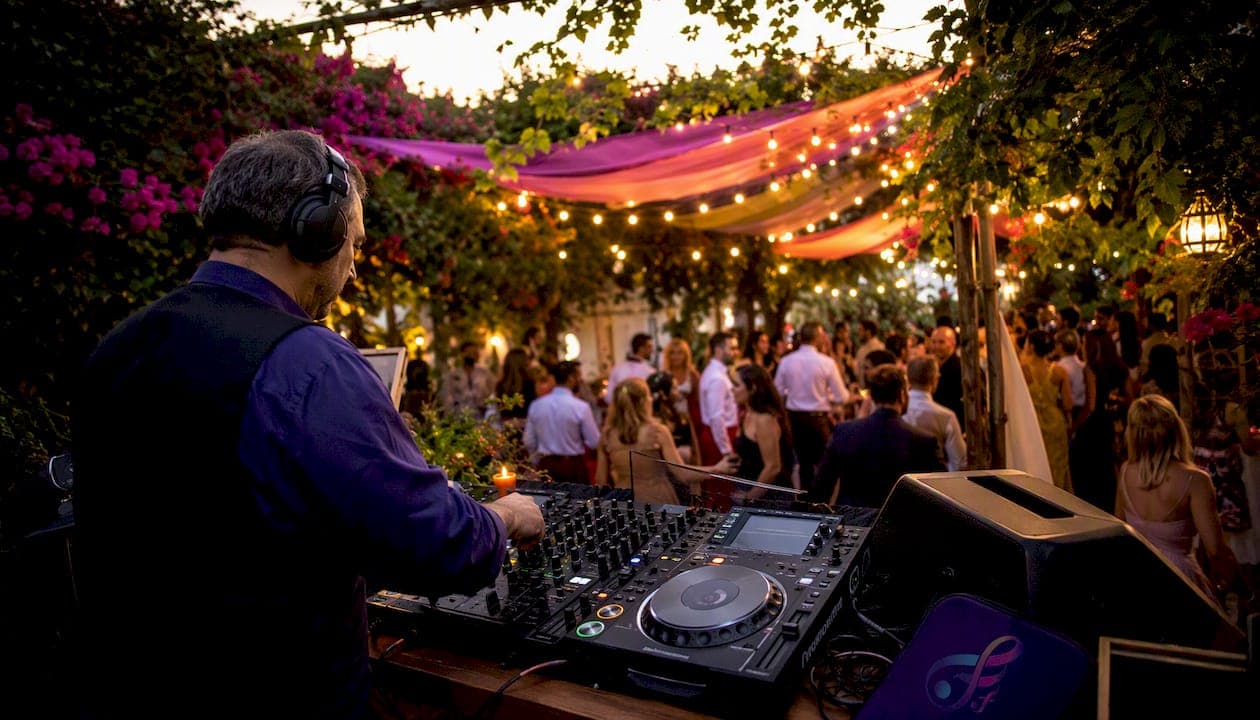
TL;DR:
- Hiring a professional DJ is essential for large events or those with dancing and complex logistics. They handle music sequencing, MC duties, vendor coordination, and technical setup, often after weeks of preparation. DJs read the room in real time to keep the dance floor full and ensure smooth event flow.
Hiring a professional DJ is the right call for weddings, large private parties, and corporate events. A pro does far more than press play: they manage your timeline, coordinate with vendors, read the crowd in real time, and bring production-grade equipment with backup systems. For a standard wedding reception, expect to budget an amount that varies widely depending on location and experience level. Very small, casual gatherings can work with a DIY playlist, but once your guest count climbs, the venue gets complex, or dancing matters, the case for a pro becomes hard to argue against.
Quick decision checklist:
- For larger guest counts, consider hiring a pro.
- Venue with specific audio requirements? Hire a pro.
- Dancing is a priority? Hire a pro.
- Intimate backyard gathering of 20 people? A curated playlist may be fine.
Table of Contents
- 1. What a professional DJ actually does beyond pressing play
- 2. How DJs read the room and keep the dance floor full
- 3. Technical advantages: sound, lighting, and backup systems pros bring
- 4. Event coordination and MCing: how a DJ keeps your timeline and vendors on track
- 5. Playlist vs. professional DJ: when DIY is fine and when it is not
- 6. Cost factors and what to budget, including 3-hour examples
- 7. What can go wrong without a professional DJ
- 8. How to pick the right professional DJ
- 9. What event professionals say about hiring a pro DJ
- Key Takeaways
- The thing most people overlook when hiring a DJ
- Fiesta Fusion brings the full production to your Northern Utah event
- Further reading and authoritative sources
- FAQ
1. What a professional DJ actually does beyond pressing play
Most people picture a DJ standing behind a table with headphones. The actual job description is much wider than that.
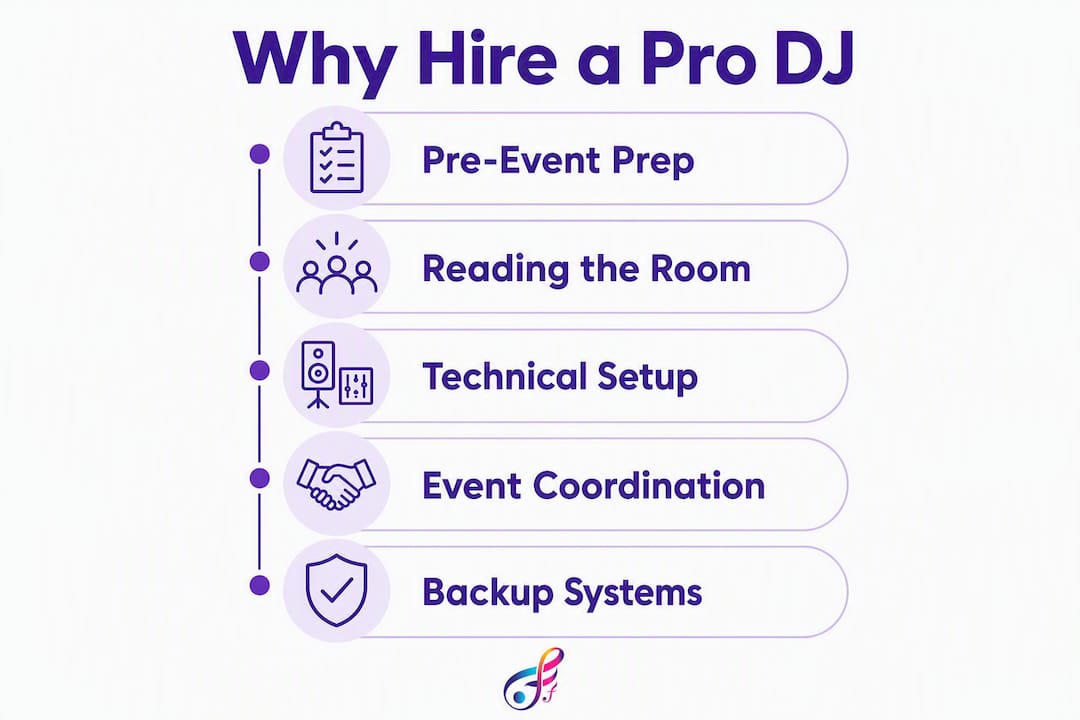
A professional DJ builds a music program for each phase of your event: arrival and cocktail hour, dinner, speeches, first dance, and open dancing. Each phase has a different energy target, and the DJ sequences songs to hit each one without jarring transitions.
Beyond music, a pro handles:
- MC duties: Announcing the wedding party entrance, cueing the first dance, introducing toasts, directing guests to their seats, and managing the bouquet toss or other moments.
- Vendor coordination: Communicating in real time with your photographer, videographer, caterer, and venue manager so every cue lands on time.
- Technical production: Setting up and breaking down a full sound system, wireless microphones, and often lighting, typically arriving one to two hours before guests.
- Pre-event planning: Building a detailed timeline, reviewing your must-play and do-not-play lists, and confirming logistics with your venue.
That pre-event preparation includes timeline building, sample playlists, equipment testing, and vendor coordination. You are not paying for four hours of music. You are paying for weeks of preparation that make those four hours feel effortless.
2. How DJs read the room and keep the dance floor full
"Reading the room" sounds like a soft skill. It is actually a technical one developed over hundreds of events.
A working DJ watches the floor constantly: who is dancing, who just sat down, how the crowd responded to the last three songs, whether energy is building or stalling. They track demographic mix, age range, and cultural cues. When the floor starts thinning after a long speech, a skilled DJ does not just queue the next song on the list. They make a deliberate call: drop a throwback anthem to pull people back, slow it down for a breather, or try something unexpected that fits what they are seeing. Long-time event pros describe this real-time energy response as the single biggest difference between a live DJ and a static playlist.
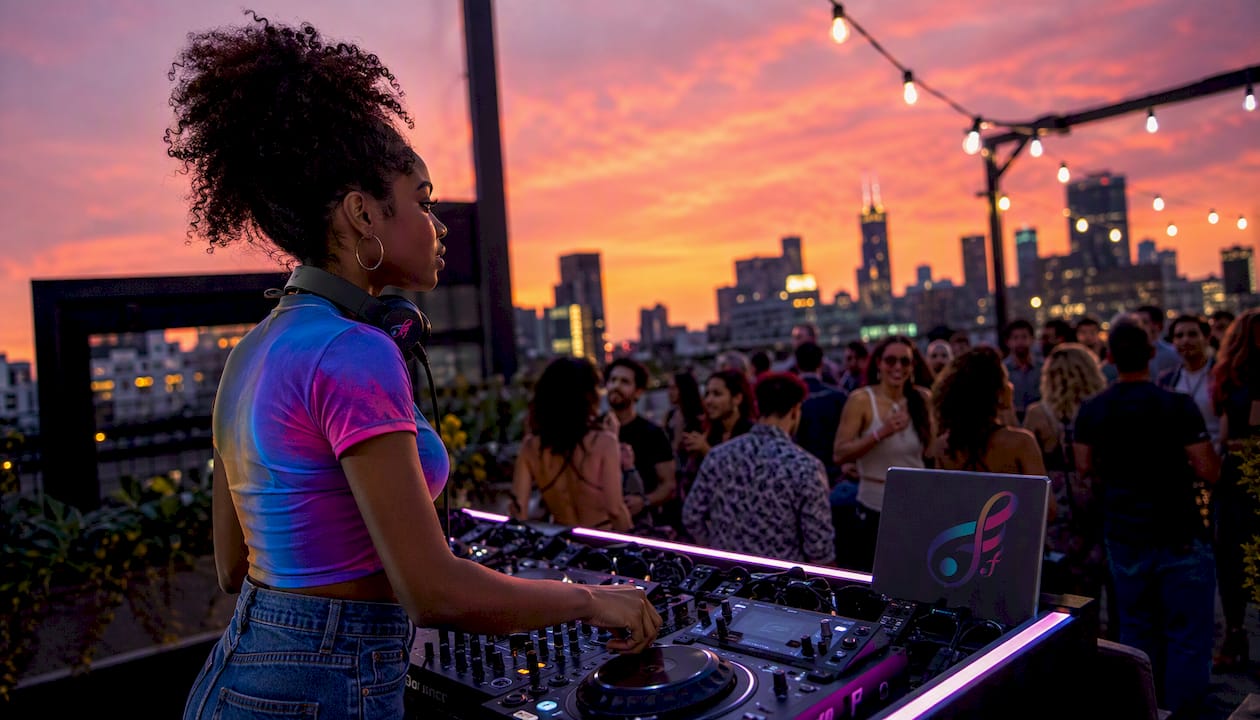
A playlist has no idea that three tables just sat down and the energy is dropping. It cannot pivot genres mid-set because it noticed the crowd lights up for 90s hip-hop and ignores everything else. A professional can, and does, abandon the planned setlist entirely when the room calls for it.
Pro Tip: Ask any DJ you are considering: "Tell me about a time you rescued a dead dance floor." Their answer reveals more about their real skill than any demo reel.
3. Technical advantages: sound, lighting, and backup systems pros bring
Sound quality shapes how guests remember an event, often more than the song choices themselves. Professionals invest in calibrated, pro-grade audio and backup gear precisely because audio quality and reliability are what guests carry home with them.
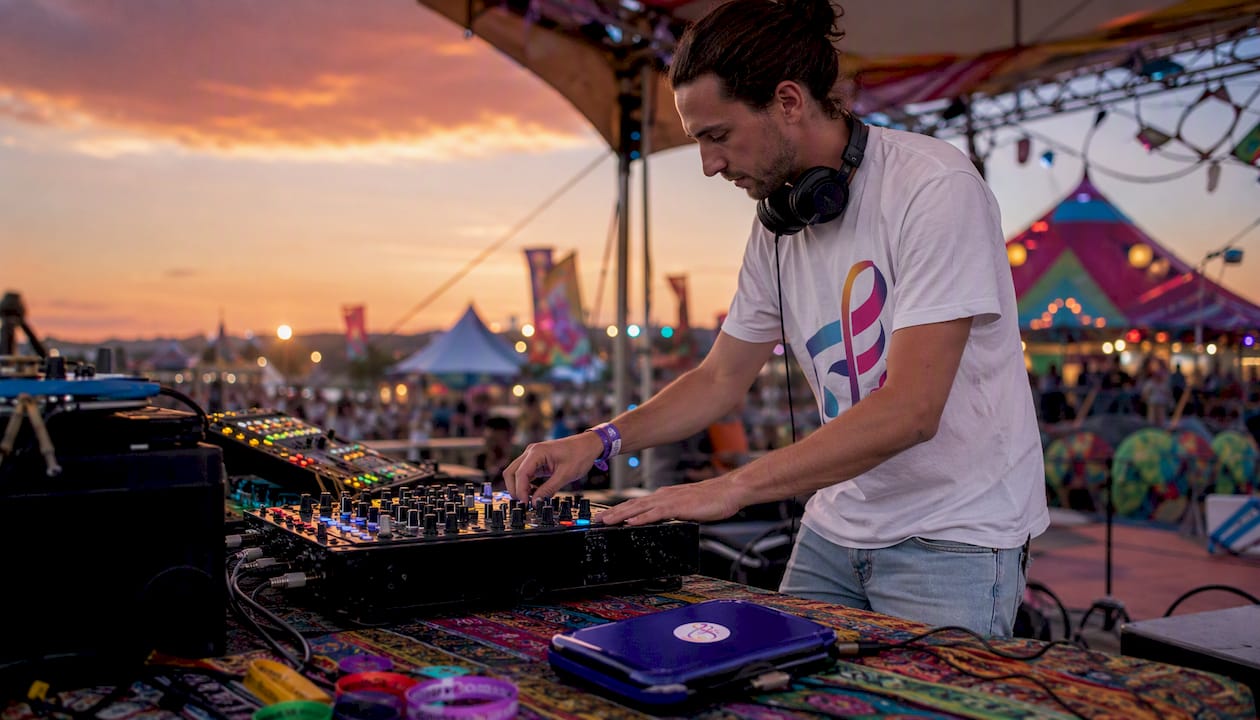
A full professional mobile DJ rig can represent a significant investment in equipment, including powered speakers sized for the venue, subwoofers, a professional mixer, wireless microphones, and a lighting package. That investment is why the sound at a professional event feels different from a Bluetooth speaker in the corner.
Equally important is redundancy. Professionals bring:
- A secondary laptop loaded with the full setlist
- Spare wireless microphones and cables
- Backup power strips and signal processors
- Alternate audio sources in case a primary system fails
Pro Tip: Before the event, ask your DJ for a sound check checklist: confirm speaker placement, microphone levels for speeches, and coverage in the far corners of the room. A pro will already have this planned. If they look surprised by the question, that tells you something.
Lighting is often underestimated. Uplighting along venue walls, intelligent moving lights, and dance floor effects do two things: they shape the mood, and they photograph beautifully. Many couples notice the difference in their photos before they notice it in person.
4. Event coordination and MCing: how a DJ keeps your timeline and vendors on track
Think of a professional DJ as the air traffic controller of your event. They hold the timeline and send the signals that keep every vendor moving in sync.
Vendor coordination is a core part of what event pros deliver: working with planners, photographers, and caterers to prevent awkward pauses and keep the schedule flowing. In practice, that means your DJ is texting your photographer two minutes before the cake cut, confirming the caterer is ready before announcing dinner, and checking with the venue manager about last-call timing.
Common cues a DJ manages during a reception:
- Guest arrival and cocktail hour background music
- Transition to dinner and seating announcement
- Wedding party entrance
- Couple's grand entrance
- Blessing or opening remarks cue
- First dance
- Parent dances
- Toast and speech introductions
- Cake cutting announcement
- Bouquet and garter toss
- Open dancing set
- Last song and send-off
For corporate events, the list shifts: background music during networking, energy transitions between cocktail and dinner phases, award presentation cues, and branded moments. The coordination skill transfers directly.
5. Playlist vs. professional DJ: when DIY is fine and when it is not
A DIY playlist has real advantages for the right situation. Lower cost, total control over every song, and no scheduling constraints. For a 20-person backyard birthday or an intimate rehearsal dinner where ambient music is the goal, a well-planned playlist with reliable equipment can work well.
The problems show up fast when the event grows or the stakes rise.
Where playlists fall short:
- No real-time crowd response. When energy drops, the playlist keeps going.
- No live mixing. Jarring two-second silences between songs break the vibe.
- No MC. Nobody announces the first dance or cues the toasts.
- No backup. A laptop crash or Bluetooth dropout has no recovery plan.
- Someone has to babysit it. That person misses your wedding.
Decision criteria to use:
| Situation | Playlist OK? |
|---|---|
| Intimate backyard gathering | Often yes |
| Larger guest counts | No |
| Formal venue with audio requirements | No |
| Multiple cultural music traditions | No |
| Timeline with scripted moments | No |
| Budget is the primary constraint | Consider hybrid |
The hybrid approach works well for many couples: use a playlist for ceremony and cocktail hour, then invest in a professional DJ for the reception when dancing and energy management matter most. Many DJs offer reception-only rates that make this practical.
6. Cost factors and what to budget, including 3-hour examples
DJ pricing moves on several variables: experience level, event length, equipment included, travel distance, day of the week, and add-ons like lighting or a photo booth.
For short events, regional pricing examples show a 2-hour prom around $350 and a 3-hour prom around $450. Standard wedding receptions run higher given the coordination complexity.
| Event Type | Typical Duration | Price Range |
|---|---|---|
| Short private party / prom | 2–3 hours | $350–$450 |
| Wedding reception (smaller market) | 4–6 hours | — |
| Wedding reception (major metro) | 4–6 hours | — |
| Corporate event | 4–5 hours | — |
One industry report found a 27% increase in overall attendee enjoyment at events with a professional DJ compared to static music options. For a 100-person wedding, the typical DJ fee is $1,000–$3,500, working out to $10–$35 per guest – a small share of the total budget for something that shapes the entire emotional arc of the night.
Budgeting rules of thumb:
- Always request an itemized quote. Know exactly what is included: setup, breakdown, travel, lighting, and overtime rates.
- Ask about the cancellation and backup policy in writing before signing.
- Add-ons like uplighting, a 360 video booth, or a selfie station typically run separately and are worth pricing as a bundle.
7. What can go wrong without a professional DJ
The risks of skipping a pro are concrete, not theoretical.
Long awkward silences after speeches are the most common complaint at events with DIY music. Without someone actively managing transitions, a 10-minute gap between the toast and the first dance feels like an hour to guests. Poor microphone audio for speeches is the second most frequent problem: guests in the back cannot hear, the moment is lost, and there is no fixing it after the fact.
Without a contract, insurance, and backup systems, you have no recourse when something goes wrong. Budget DJs often lack all three. A speaker blows, a laptop crashes, or the DJ simply does not show up, and you have no written agreement to fall back on.
Consider a realistic scenario: a couple assigns a friend to manage the playlist. The friend misses the first dance cue because they were getting a drink. The song starts late, the photographer misses the opening frame, and the couple spends the next hour quietly frustrated. A professional DJ has that cue locked in, confirmed with the photographer two minutes before, and triggered at exactly the right moment.
Vendor miscoordination is the quieter risk. Without a DJ actively communicating with the caterer, the dinner announcement comes while guests are mid-conversation on the dance floor. Without a DJ confirming with the venue manager, the last-call announcement surprises the bar staff. Small miscommunications compound into a night that feels slightly off, even when nothing dramatically fails.
8. How to pick the right professional DJ
The hiring process matters as much as the decision to hire. Use this sequence.
Pre-interview homework:
- Listen to at least one recorded mix or past-event recording.
- Read reviews on Google and wedding planning platforms, looking specifically for comments about MCing and timeline management.
- Confirm the DJ carries liability insurance. Many venues require it.
- Review the contract terms: deposit amount, cancellation policy, overtime rates, and backup plan.
Interview questions to ask:
- How many events of this type have you done?
- What equipment do you bring, and what is your backup plan if something fails?
- How do you coordinate with the photographer and caterer on the day?
- Can I hear a sample mix or recording from a similar event?
- What does your pre-event planning process look like?
- How do you handle a request you do not have in your library?
Red flags:
- No written contract
- No liability insurance
- Vague or dismissive answer about backup equipment
- Poor or slow communication during the inquiry process
- Pricing with no itemization
Verification steps:
- Request two references from recent events of the same type.
- Confirm the venue's audio and power requirements with your DJ before booking.
- Get a written timeline and run-of-show document at least two weeks before the event.
For Northern Utah events, also confirm the DJ knows your specific venue's load-in rules and acoustic setup.
9. What event professionals say about hiring a pro DJ
The practitioner consensus on professional DJ value is consistent across event types.
Beyond music, event managers emphasize that DJs operate as event coordinators who communicate with planners, photographers, and caterers to prevent awkward pauses and keep the schedule flowing. That coordination role is what separates a professional from someone who simply owns good speakers.
On the equipment side, professionals point to calibrated sound systems and technical setup as critical to guest experience. Guests notice sound clarity even when they cannot articulate why the event felt polished.
What clients should ask or expect based on this evidence:
- Proof of equipment quality and a backup plan in writing
- A pre-event coordination call with all vendors
- A sample timeline or run-of-show document
- References from events of similar size and type
Fiesta Fusion covers all of these as standard practice, serving weddings, corporate events, quinceañeras, and school dances across Northern Utah with full production packages and add-on enhancements.
Key Takeaways
A professional DJ is worth hiring for any event where dancing, timeline precision, or vendor coordination matters, with wedding reception pricing typically running $1,000–$3,500 for a standard 4–6 hour package, and short private parties or proms often priced around $350–$450 for 2–3 hours.
| Point | Details |
|---|---|
| Hire a pro for 75+ guests | Guest count is the clearest trigger; large crowds need active energy management. |
| Equipment investment is real | Pro mobile rigs can exceed $22,000 in gear, explaining why rates are higher than a playlist. |
| Coordination is the hidden value | DJs manage vendor cues, MC duties, and timeline so hosts stay present. |
| DIY works only in narrow cases | Small, casual, scripted gatherings with no dancing can use a playlist successfully. |
| Fiesta Fusion covers the full package | Wedding, corporate, and private party DJ services with photo booth and lighting add-ons in Northern Utah. |
The thing most people overlook when hiring a DJ
The conversation about hiring a professional DJ almost always focuses on music. Song lists, genres, whether the DJ will play your requests. That is the wrong frame.
The real question is whether you want someone managing the logistics of your event or whether you want to do it yourself. A professional DJ is an event manager who happens to control the music. They are the person who notices the caterer is not ready and delays the dinner announcement by 90 seconds. They are the one who checks in with your photographer before every major moment. They are the reason your guests never notice the seams.
What gets underestimated consistently is the cost of a bad night. Not just a mediocre one. A night where the speeches were inaudible, the dance floor never caught fire, and the timeline slipped by 45 minutes. Those moments do not fade. The per-guest math on a professional DJ is genuinely small compared to what you spent on the venue, the food, and the flowers. It is the one vendor whose absence you will feel in every photo from the night.
Fiesta Fusion brings the full production to your Northern Utah event
Fiesta Fusion is a veteran-owned DJ and entertainment company serving Ogden, Weber County, Davis County, and Salt Lake City. For couples, families, schools, and businesses who want a single team handling music, production, and atmosphere, Fiesta Fusion provides wedding DJs, corporate event DJs, quinceañera DJs, and school dance DJs alongside photo booth rentals, 360 video booths, uplighting, cold spark fountains, monogram projections, and custom backdrops.
Every booking includes a pre-event planning call, a written contract, and a detailed run-of-show. Sample recordings and references are available on request. If you are comparing packages, Fiesta Fusion also bundles DJ and photo booth services together, which reduces vendor coordination and typically saves on total cost versus booking separately.
Request a quote or check availability to get an itemized proposal for your event date.
Further reading and authoritative sources
- Is a wedding DJ worth the cost? A professional DJ's honest perspective — practitioner breakdown of what separates a live DJ from a playlist
- Cheap DJ vs. Professional DJ: What's the real difference? — event planner perspective on contracts, insurance, and coordination
- Wedding DJ vs. DIY Playlist: Pros, Cons and Real Costs — detailed cost comparison and decision criteria for couples
- How much value does your wedding and event DJ actually bring? — equipment investment breakdown and pre-event process
- 2025 Average DJ Cost with Price Factors — regional pricing examples including short-event rates
- Fiesta Fusion DJ and entertainment services — booking and quote requests for Northern Utah events
FAQ
Is hiring a DJ worth it for a wedding?
Yes, for most weddings. A professional DJ manages the timeline, coordinates vendors, MCs every key moment, and keeps the dance floor moving in ways a playlist cannot. The typical cost for a 100-person wedding is $1,000–$3,500, or $10–$35 per guest – a small share of total wedding spend for something that shapes the entire reception.
How much should a DJ charge for 3 hours?
For a short event like a prom or private party, regional examples show roughly $450 for a 3-hour booking. Wedding receptions, which carry more coordination and equipment requirements, typically run $1,000–$3,500 for a standard 4–6 hour package depending on market and experience level.
What is the difference between a DJ and a playlist?
A DJ reads the crowd in real time, mixes songs for continuous energy, handles MC duties, and coordinates with vendors. A playlist plays a fixed sequence with no ability to respond to what is actually happening in the room, and it requires a person to monitor it throughout the event.
What should I ask a DJ before booking?
Ask about their backup equipment plan, liability insurance, how they coordinate with other vendors, and whether they can provide a sample recording from a similar event. Request an itemized quote and confirm the cancellation policy is in writing before signing.
Does Fiesta Fusion serve events outside Ogden?
Fiesta Fusion serves Weber County, Davis County, and Salt Lake City, covering the broader Northern Utah area for weddings, corporate events, quinceañeras, school dances, and private parties.