TL;DR:
- Uplighting involves placing LED fixtures on the ground and directing them upward to create colorful, ambient effects. It transforms venues by adding depth and warmth that overhead lighting cannot achieve, enhancing guest experience and event atmosphere. Proper spacing, wall color consideration, and programmable features are essential for professional and impactful uplighting design.
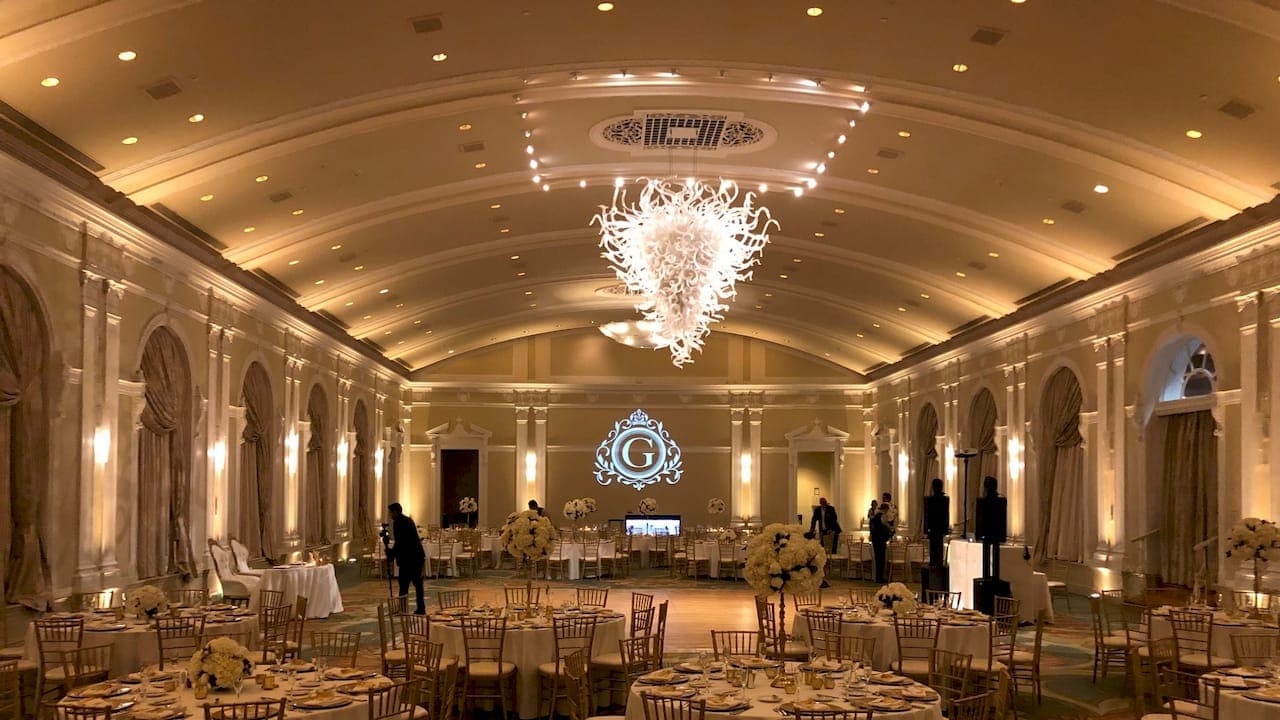
Uplighting is defined as the practice of placing LED fixtures on the ground and directing them upward to wash walls, columns, and architectural features in color. This technique creates depth, dimension, and a controlled mood that overhead lighting simply cannot replicate. Event planners use uplighting at weddings, corporate gatherings, galas, and parties to shift a plain venue into an intentional, immersive space. With programmable LED technology, the color and intensity can change throughout the night, moving from warm dinner tones to vibrant dance floor energy without touching a single fixture.
What is uplighting at events, and how does it work?
Uplighting is a technique that places LED fixtures on the ground, directed upward to wash surfaces in color, typically spaced every 6–8 feet for a cohesive ambient effect. That spacing standard is the difference between a polished, professional look and a patchy result that draws the wrong kind of attention.
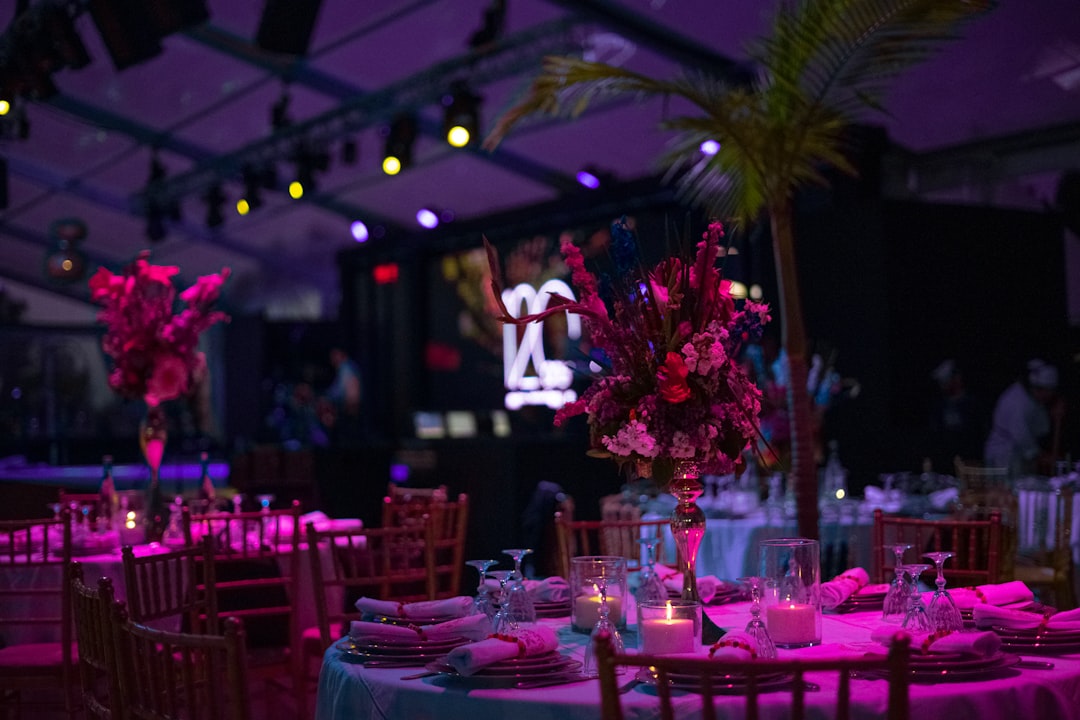
Modern uplighting relies on LED technology for good reason. LED fixtures run cooler, last longer, and offer a full spectrum of color options that older halogen units never could. Programmable LED uplighting lets you set specific colors in advance and trigger transitions at key moments, like shifting from soft gold during dinner to deep blue when the dance floor opens.
Wireless, battery-powered LED uplights are the professional standard today. Wireless LED uplights eliminate tripping hazards and unsightly cables, which matters in venues where guests move freely between tables and a dance floor. They also give installers more placement flexibility since power outlet locations no longer dictate where fixtures go.
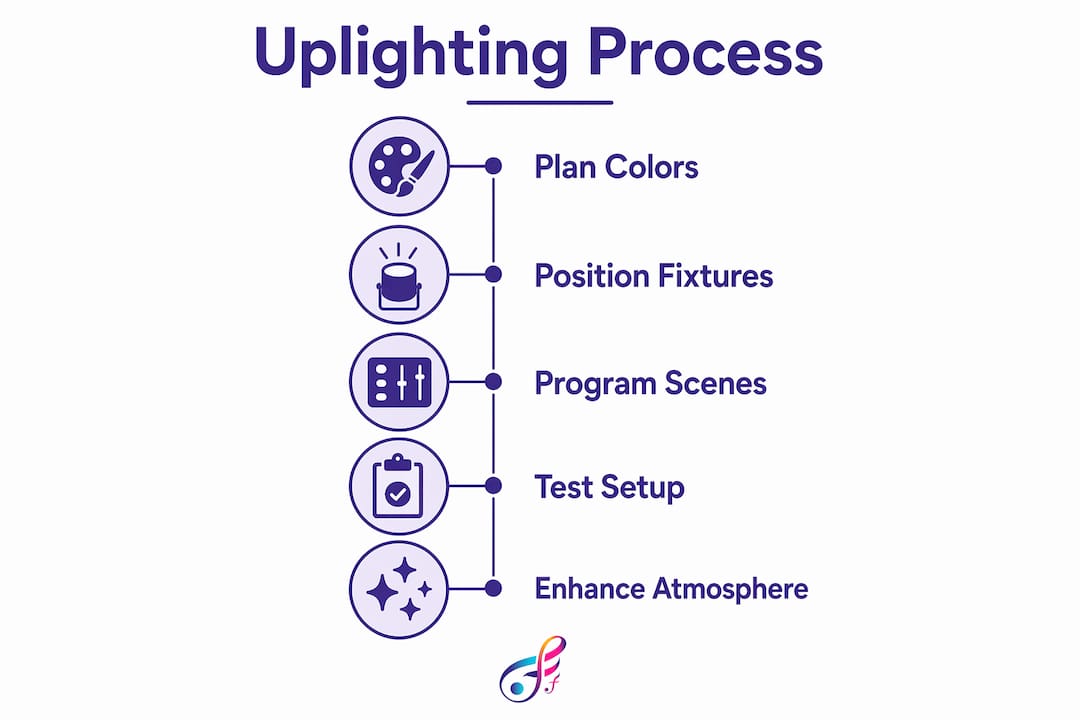
Here is what a standard uplighting setup involves:
-
Fixture placement: Lights sit flat on the floor against walls, columns, or architectural features
-
Spacing: Every 6–8 feet along the perimeter for an even, unbroken wash of color
-
Color programming: Custom colors set to match event themes, brand palettes, or wedding color schemes
-
Transitions: Timed or manually triggered shifts between colors for different event phases
-
Power: Wireless battery units or discreet cable management when outlets are required
Pro Tip: Program at least two color states before your event: one for the reception or dinner phase and one for the dance or celebration phase. The visual shift signals guests that the energy is changing without a single announcement.
Why uplighting transforms reception venues and guest experience
Uplighting does something overhead lighting cannot. Uplighting creates warmth and depth that flat ceiling lights simply flatten out, replacing harsh overhead glare with a romantic, room-wide ambient glow. Event lighting expert Kevin Dennis draws a clear line between uplighting and spotlights: uplighting enhances the entire room’s mood, while spotlights accentuate specific décor details. Both have a role, but uplighting sets the foundation.
The effect on photography and videography is significant. Colored ambient light adds visual layers to photos that make images feel rich and intentional rather than washed out by fluorescent overheads. Photographers working in uplighted venues consistently produce images with stronger contrast and more defined depth, because the light source creates natural shadows and gradients across walls and faces.
Wall color and texture are the two factors most planners underestimate. Light-colored walls act as optimal canvases, reflecting color vividly and maximizing the visual impact of each fixture. Dark or heavily textured walls absorb light, which means you either need stronger fixtures, more of them, or a color choice that reads well even with reduced reflection.
Color choice carries real emotional weight at events:
-
Warm amber and gold: Create intimacy and romance, ideal for wedding receptions and anniversary dinners
-
Soft blush and rose: Add a gentle, celebratory feel without overwhelming the space
-
Deep blue and purple: Convey sophistication and work well for corporate galas and formal events
-
Vibrant red, green, or multicolor: Signal celebration and energy, perfect for party environments and dance floors
-
White or soft ivory: Deliver a clean, timeless look that pairs with almost any décor style
Lighting is the invisible backbone of event design. It should enhance existing architecture to create immersive environments rather than mask the venue. The best uplighting setups feel like they belong to the space, not like they were added on top of it.
What event types benefit most from uplighting?
Uplighting is a highly cost-effective venue transformation method that requires minimal setup compared to large-scale décor while delivering immediate visual impact. That practicality makes it useful across a wide range of event types, each with its own application approach.
-
Weddings: Warm amber, blush, and gold tones create the romantic atmosphere couples want during cocktail hour and dinner. As the reception moves into dancing, programmable fixtures shift to more vibrant colors that match the energy. Uplighting also highlights floral arrangements, drapery, and head tables without requiring additional spotlights.
-
Corporate events: Brand color matching is the primary driver here. A company hosting a product launch or annual gala can program fixtures to display exact brand colors, reinforcing visual identity throughout the space. Dynamic lighting also signals event phases, from networking to keynote to dinner, without requiring verbal announcements.
-
Quinceañeras and milestone parties: These events often call for bold, celebratory color palettes. Color-changing uplighting synced to music creates a dynamic environment that feels alive rather than static. Fiesta Fusion regularly designs uplighting programs for quinceañeras across Weber County and Davis County, building color transitions that match the event’s emotional arc.
-
School dances and proms: High-energy color programs with rapid transitions work well in gymnasium and ballroom settings. Wireless fixtures are especially practical here since venue power access is often limited and floor space is at a premium.
-
Outdoor events: Uplighting works outdoors when fixtures illuminate trees, tent poles, or architectural features. Battery-powered units are the only practical choice outdoors since running cables across open ground creates safety risks. The effect is most visible after sunset, so timing matters more than it does indoors.
For indoor party lighting ideas that go beyond uplighting, combining wall washes with pin spots and dance floor lighting creates a layered environment where every zone of the venue feels intentional.
What are common uplighting mistakes and how do you avoid them?
The most common uplighting mistake is inconsistent spacing. Spacing fixtures wider than 8 feet creates dark gaps between pools of light, which reads as unfinished and unprofessional. The fix is straightforward: measure the perimeter of the space and divide by the number of fixtures to confirm even distribution before the event begins.
A second frequent error is ignoring venue-specific factors. A successful uplighting setup accounts for ceiling height, wall colors, and existing ambient light before a single fixture is placed. A venue with 20-foot ceilings and dark wood paneling needs a completely different approach than a ballroom with 10-foot ceilings and cream walls.
Balancing uplighting with existing venue lighting is where many planners lose control of the final look. Uplighting works best when the venue’s overhead lights are dimmed or turned off in the areas being washed. Competing light sources flatten the effect and reduce the color saturation that makes uplighting worth using in the first place.
Common mistakes to avoid:
-
Placing fixtures too far apart, leaving unlit gaps along walls
-
Choosing colors that clash with existing décor or floral arrangements
-
Ignoring wall texture and color when selecting fixture brightness
-
Failing to test the full color program before guests arrive
-
Overlooking cable management when wireless units are not available
Pro Tip: Always do a full lighting walkthrough at least one hour before doors open. Walk the perimeter, check for dark gaps, confirm color accuracy, and test every programmed transition. Problems found early take minutes to fix. Problems found during the event take much longer.
Professional lighting designers bring a trained eye to contrast and dimension. Professional lighting design avoids overwhelming a space with too much light or creating flatness from overhead sources alone. Hiring a professional for complex venues or large events is the most reliable way to get a cohesive result.
Key Takeaways
Uplighting is the single most cost-effective technique for transforming a venue’s atmosphere, using ground-level LED fixtures spaced every 6–8 feet to create a consistent, color-rich ambient wash across walls and architectural features.
| Point | Details |
|---|---|
| Uplighting definition | LED fixtures placed on the ground, directed upward to wash surfaces in color for ambient effect. |
| Spacing standard | Place fixtures every 6–8 feet to avoid dark gaps and maintain a professional, even wash. |
| Wireless units preferred | Battery-powered LED uplights remove cable hazards and allow flexible placement in any venue. |
| Wall color matters | Light-colored walls maximize color vibrancy; dark or textured walls require stronger fixtures or adjustments. |
| Program for event phases | Set at least two color states, one for dinner and one for dancing, to shift the room’s energy intentionally. |
Uplighting in 2026: what experience has taught me
I have watched uplighting go from a luxury add-on to a standard expectation at weddings and corporate events, and the shift happened faster than most planners anticipated. The technology got better and the price came down, which meant clients started seeing it at events they attended and immediately wanted it for their own.
What I find most planners still underestimate is how much uplighting changes the guest experience at a psychological level. People feel warmer, more relaxed, and more present in a space that has intentional ambient light. A plain banquet hall with white walls and fluorescent overheads creates a cafeteria feeling no amount of centerpieces can fully fix. The same room with warm amber uplighting feels like a completely different venue.
The collaboration between event planners and lighting professionals is where the best results come from. Planners know the event’s emotional arc. Lighting professionals know how to translate that arc into color, intensity, and timing. When those two perspectives work together from the planning stage rather than the setup day, the result is a space that feels designed rather than decorated.
For 2026 events, I am seeing more requests for dynamic color programs that sync with music and event moments rather than static single-color setups. Couples and corporate clients want the room to feel alive and responsive. That is where programmable LED uplighting, paired with a skilled operator, delivers something genuinely memorable.
— Drew Deenie
Fiesta Fusion’s uplighting services for your next event
Fiesta Fusion brings professional LED uplighting to weddings, quinceañeras, corporate events, and parties throughout Northern Utah, including Weber County, Davis County, and Salt Lake City.
Every uplighting setup is customized to the venue, the color palette, and the event’s timeline. Fiesta Fusion’s team handles fixture placement, color programming, and full event-day management so you get a polished result without the guesswork. From intimate wedding receptions to large corporate galas, the lighting program is built around your specific goals. Visit Fiesta Fusion’s event services to learn more, or browse the monogram and lighting catalog to see custom lighting options for your event.
FAQ
What is the uplighting definition in event design?
Uplighting is the practice of placing LED fixtures on the ground and directing them upward to wash walls and architectural features in color. It creates ambient depth and mood that overhead lighting cannot achieve.
How far apart should uplighting fixtures be placed?
Fixtures should be spaced every 6–8 feet along the venue perimeter. Wider spacing creates dark gaps that reduce the professional quality of the effect.
Does wall color affect how uplighting looks?
Wall color directly affects uplighting performance. Light-colored walls reflect color vividly, while dark or textured walls absorb light and may require stronger fixtures or additional units.
Can uplighting be used outdoors?
Uplighting works outdoors when directed at trees, tent poles, or architectural features. Battery-powered wireless units are the practical choice outdoors since running cables across open ground creates safety hazards.
How does uplighting improve event photography?
Uplighting adds color layers and depth to a venue that make photos richer and more visually interesting. The ambient glow creates natural contrast and gradients that flat overhead lighting eliminates.