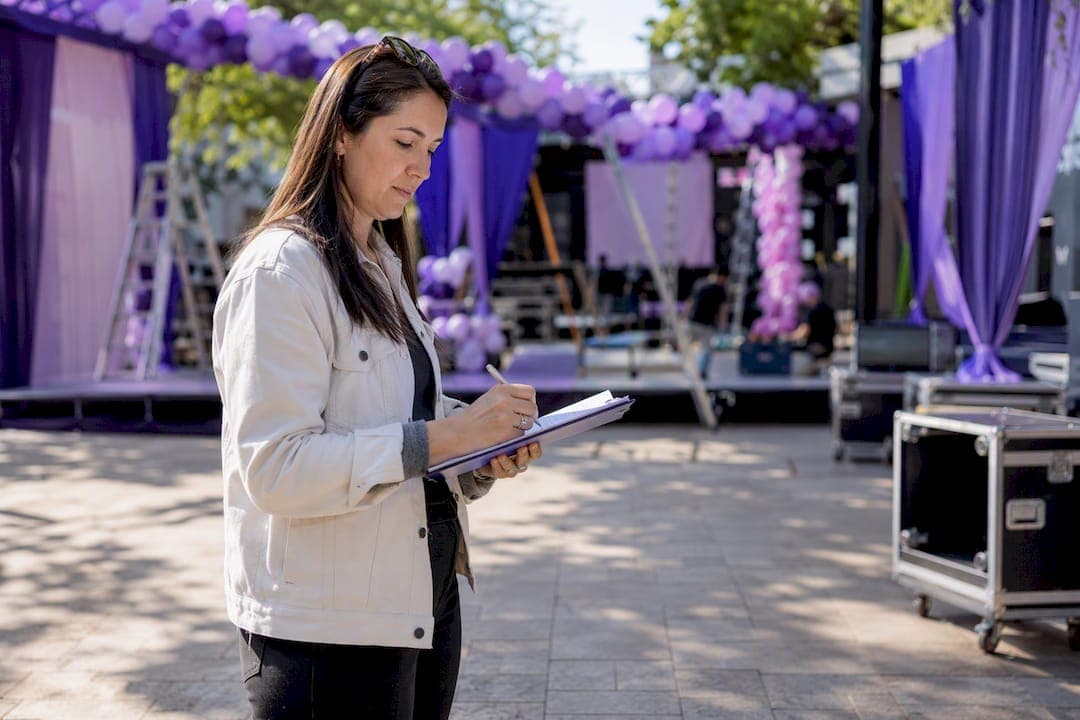
A day-of coordinator's job comes down to three things: own the timeline, act as the single point of contact for every vendor, and solve problems before guests ever notice one happened. Nearly all day-of coordination work is logistics management, vendor supervision, and timeline troubleshooting, not design decisions.
Within the first hour on-site, do three things:
- Take vendor roll call against your contact sheet.
- Set up your command station with the printed timeline, contact list, and venue map.
- Run a quick tech and power check at every station before guests arrive.
Coordinators who start reviewing details 30 to 60 days out, rather than the morning of, tend to catch the gaps that cause chaos, and common pricing for day-of coordination varies widely depending on hours and scope. Fiesta Fusion sees this pattern constantly working alongside coordinators across Northern Utah events.
Key Takeaways
A day-of coordinator's success depends on a detailed minute-by-minute timeline, a single vendor point of contact, and a stocked emergency kit that handles problems before guests notice them.
| Point | Details |
|---|---|
| Own the timeline early | Distribute vendor, wedding party, and venue versions of the run sheet 48 hours out. |
| Build in 15-minute buffers | Pad your working schedule so late vendors or delays don't cascade into the next block. |
| Use the 60-second escalation rule | Vendors escalate to you immediately if a fix isn't obvious within a minute. |
| Pack a real emergency kit | Include sewing supplies, chargers, cash, and printed backups of your timeline. |
| Let entertainment run itself | Fiesta Fusion locks DJ, photo booth, and lighting cues into your run sheet ahead of the event. |
Table of Contents
- Week-Before and Day-Before Prep: What to Finish Before You Arrive
- Day-Of Checklist and Minute-by-Minute Timeline Management
- Vendor Coordination and Communication Protocol
- Setup, Staging, and Emergency Kit Essentials
- Breakdown, Teardown, and Same-Day Wrap Procedures
- Practitioner Checklist: Templates You Can Adapt
- What New Coordinators Get Wrong on Their First Event
- Let Fiesta Fusion Carry the Entertainment Column on Your Run Sheet
- Sources
- FAQ
Week-Before and Day-Before Prep: What to Finish Before You Arrive
The work that prevents day-of disasters happens 48 hours out, not the morning of. Here's the sequence that keeps you from scrambling:
- Finalize the master timeline, then create vendor-specific versions that only show each vendor their relevant windows.
- Confirm load-in logistics with every vendor: which entrance, what time, and whether there are stairs or a freight elevator.
- Verify power availability at each station, especially for DJ setups, photo booths, and lighting rigs.
- Prepare final payments and tip envelopes, labeled by vendor, and get client sign-off in advance.
- Proof all day-of stationery (place cards, programs, signage) and confirm the seating chart against the final guest count.
A detailed checklist covering vendor confirmations, tip envelopes, and emergency supplies is standard practice among experienced coordinators, and it's worth building your own version early.
The night before, assemble two things:
- Your day-of bag: chargers, tape, safety pins, stain remover, snacks, and a printed copy of everything digital.
- Your team briefing packet: roles, arrival times, communication channel, and the escalation rule.
Brief your assistants the night before or first thing in the morning, never mid-event when they're already stretched thin. Distributing tailored timeline versions to vendors, wedding party, and venue staff cuts down on the "wait, when am I supposed to be there?" texts that eat your morning.
Day-Of Checklist and Minute-by-Minute Timeline Management
Your run sheet is the backbone of the entire day, and it needs more detail than most new coordinators expect. Break the day into 15-minute blocks starting from vendor arrival through the final send-off, and note who is responsible for each block, not just what happens.
Produce at least three versions:
- Vendor copies: only their setup window, cue times, and breakdown expectations.
- Wedding party or client copies: photo times, ceremony cues, and reception milestones.
- Venue copies: load-in windows, room flip times, and noise curfews.
Build in buffers everywhere. If hair and makeup is scheduled to finish at 1:00 PM, write 12:45 PM on your working copy. That 15-minute cushion absorbs the late makeup artist, the missing bridesmaid, or the photographer who needs five extra minutes for family formals. Staying 15 minutes ahead of your own schedule is the single habit that separates coordinators who look calm from coordinators who are visibly sweating by 3:00 PM.
Log every real-time change as it happens, even small ones. A vendor who stays an extra hour, a ceremony that starts 20 minutes late, a room flip that ran long: write it down with a timestamp. This log becomes your record for reconciling invoices and extra vendor hours within 48 hours after the event, and it protects both you and the client if a billing dispute comes up later.
Before doors open to guests, run a tech and AV check at every station: microphones, speakers, lighting cues, and any screens or projectors. A dedicated venue walkthrough covering technical questions before guests arrive catches dead outlets and dead zones while you still have time to fix them.
Pro Tip: Keep your working timeline on a clipboard, not just your phone. When your hands are full and your battery is at 12 percent, a paper copy with a pen tucked into the clip is the fastest way to log a change without breaking stride.
Vendor Coordination and Communication Protocol
Every vendor should know exactly who to call when something goes wrong, and it should be you or your named backup, never a guessing game.
- Build a shared contact sheet with cell numbers, arrival times, and a backup contact for every vendor.
- Assign yourself as the single point of contact, and name a backup coordinator in writing in case you're mid-crisis elsewhere.
- On confirmation calls one to two weeks out, ask each vendor: which entrance are you using, what's your power draw, how long does setup take, and who's your on-site lead?
- During the setup window, walk to each vendor personally and verify what they need before you move to the next station.
Adopt the 60-second rule: if a vendor can't fix a problem within a minute using their own resources, they escalate to you immediately rather than trying to solve it alone for twenty minutes while the schedule slips. This single escalation habit, paired with a clear morning team briefing, keeps small hiccups from turning into timeline-wrecking delays.
Building vendor contact sheets with backup numbers and specific technical questions about power and access points removes most of the surprises that ambush new coordinators on their first few events.
Setup, Staging, and Emergency Kit Essentials
New coordinators consistently underestimate how long setup actually takes. If a vendor tells you load-in takes 30 minutes, plan for closer to 90. That cushion is what saves you when a florist's van gets stuck in venue parking or a rental company delivers the wrong table count.
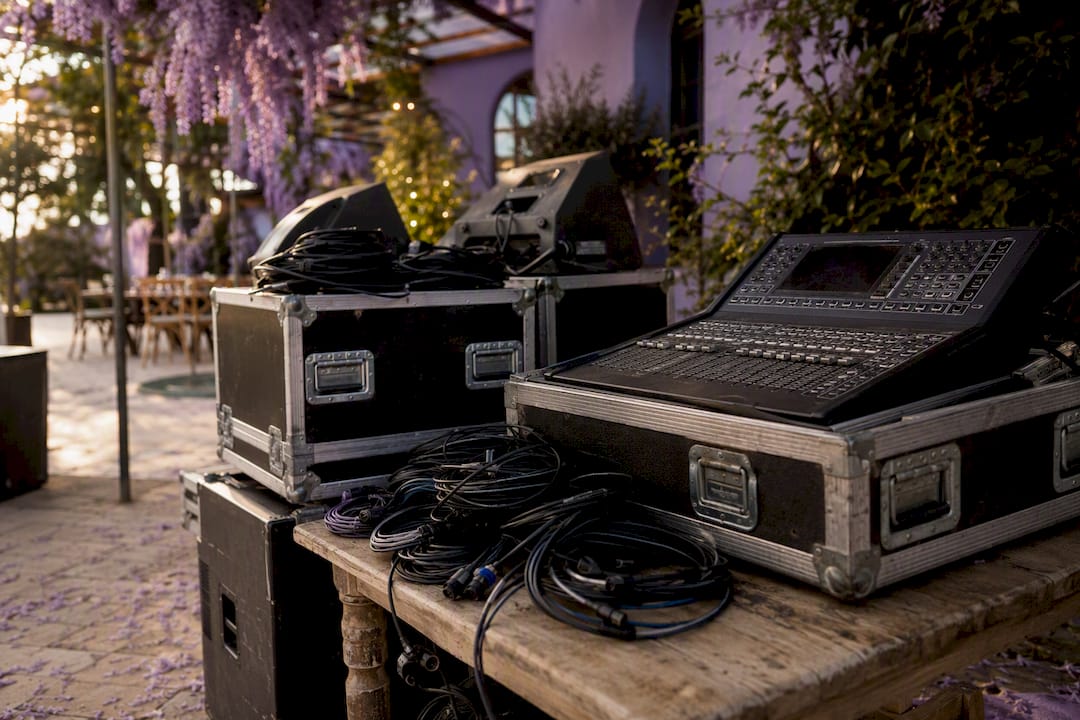
Zone your load-in by vendor type: catering near the kitchen entrance, rentals near the loading dock, and entertainment near available power. This keeps vendors from tripping over each other in a single doorway during the busiest 90 minutes of the day.
Your emergency kit should include:
- Sewing kit, safety pins, and fabric tape for wardrobe fixes.
- Phone chargers, a portable power bank, and spare batteries.
- Extra cash for tips and unexpected small purchases.
- A printed timeline and vendor contact sheet as backup to your phone.
- Basic first-aid items and stain remover.
A command-station kit built around a printed timeline, contact sheet, and labeled emergency supplies is what most experienced coordinators pack before every event, and building your own version now saves a scramble later.
Sort problems into three buckets: fix it yourself in under a minute, escalate it to a vendor's lead, or handle it quietly without telling the client at all. Most day-of hiccups belong in that third bucket. Feeding your vendors and giving them a five-minute break area does more for the day's smoothness than most coordinators expect, since well-fed vendors make fewer mistakes.
Breakdown, Teardown, and Same-Day Wrap Procedures
Your job isn't done when the last dance ends. It's done when the venue is clear and every item is accounted for.
- Stay until every vendor has fully packed up, and walk the venue with staff before you leave, photographing its condition for your own records.
- Label and consolidate client belongings (gifts, décor, personal items) and arrange pickup or shipping on the spot.
- Confirm any same-day payments are settled, collect receipts, and note down any vendor issues while they're fresh in your mind.
- Do a quick check-in with each vendor lead before they drive off to capture delivery notes and close any open items.
Photographing venue condition and logging any damaged or missing rental items protects you if a damage dispute surfaces days later. It takes five minutes and saves hours of he-said-she-said.
Practitioner Checklist: Templates You Can Adapt
Fiesta Fusion runs its command station the same way experienced coordinators do: printed timeline, contact sheet, and a designated spot the DJ and photo booth team check in at before anything else happens. Entertainment slots into the run sheet at specific trigger points, first dance, cake cutting, garter toss, so the DJ team needs those cues locked in days ahead, not called out mid-reception.
Staffing scales with guest count, increasing as event size grows, with more coordinators needed for larger weddings and clearly defined zone ownership.
For entertainment specifics, how vendors coordinate timeline cues and stress-free entertainment planning walk through exactly where DJ and photo booth cues belong in your run sheet.
| Point | Details |
|---|---|
| Staffing scales with guests | One to two coordinators for smaller events, three or more for larger events. |
| Command station anchors the day | A printed timeline, contact sheet, and venue map keep operations running when phones fail. |
| Entertainment needs locked cues | Fiesta Fusion builds DJ and photo booth timing directly into the master run sheet. |
What New Coordinators Get Wrong on Their First Event
You will need to ask a vendor a question you feel like you should already know the answer to. Ask it anyway. Lean on a trained assistant for the small stuff so you can handle the fires. Nobody runs a flawless first event, and that's fine.
— Drew Deenie
Let Fiesta Fusion Carry the Entertainment Column on Your Run Sheet
Fiesta Fusion becomes the entertainment vendor who never adds a line to your problem list, because DJ cues, photo booth timing, and lighting triggers arrive pre-built into your run sheet instead of something you have to chase down mid-event.

As a veteran-owned DJ and photo booth company serving Ogden and Northern Utah, Fiesta Fusion works weddings, quinceañeras, school dances, and corporate events across Weber County, Davis County, and Salt Lake City. The team hands coordinators a locked timeline of cues before the event, not day-of guesswork, and shows up with a single on-site lead who reports straight to you, matching the single-point-of-contact structure this guide recommends. Add-ons like uplighting, monogram projections, and cold spark fountains get scheduled into your run sheet at booking, not improvised on the spot. If your event needs a photo activation that draws a crowd without pulling staff away from other duties, the 360 Photo Booth in Ogden runs largely on its own once it's placed. Browse the full range of event enhancements or reach out through Fiesta Fusion's home page to check dates for your next event.
Sources
- What a Day-of Wedding Coordinator Does — Brides
- Day of Wedding Coordinator Checklist — WeddingFrontier
- Event day-of coordination checklist — Abastio
- Day-of wedding coordinator — The Knot
FAQ
How much should you tip a day-of coordinator?
Tipping isn't mandatory, but many clients give a cash tip or a personal gift, depending on budget and how smoothly the day went. Some clients instead write a strong review or referral, which coordinators building a business often value just as much.
What should a day-of coordinator actually do on the event day?
A day-of coordinator manages the timeline, serves as the single point of contact for all vendors, and troubleshoots problems so the client never has to. This includes setup checks, timeline enforcement, and quiet problem-solving throughout the event.
What are the best tips for new event coordinators?
Build buffers into your timeline, confirm vendor logistics a week or more ahead, pack a real emergency kit, and follow a strict escalation rule so small issues never spiral. Fiesta Fusion's own command-station approach, printed materials plus a single on-site lead, reflects the same habits.
What is the 50/20/30 rule for weddings?
This is a budget allocation guideline some planners use, typically suggesting about half the budget toward venue and catering, a smaller portion toward attire and beauty, and the remainder toward everything else including entertainment and décor. Actual splits vary widely by region and priorities, so treat it as a starting framework rather than a fixed rule.