TL;DR:
- Event lighting is a crucial element that shapes atmosphere, enhances visibility, and guides guest attention at any celebration.
- It involves coordinated layers of ambient, accent, stage, uplighting, and effect fixtures to create a dynamic environment.
Event lighting is the purposeful design and use of lighting equipment to serve visibility, mood, spatial definition, safety, and program structure at any celebration or professional event. It goes far beyond simply brightening a room. The right lighting design shapes how guests feel, where they look, and how every photo turns out. Whether you are planning a wedding in Ogden, a quinceañera in Davis County, or a corporate dinner in Salt Lake City, understanding event lighting options gives you real control over the atmosphere you create.
What is event lighting and why does it matter?
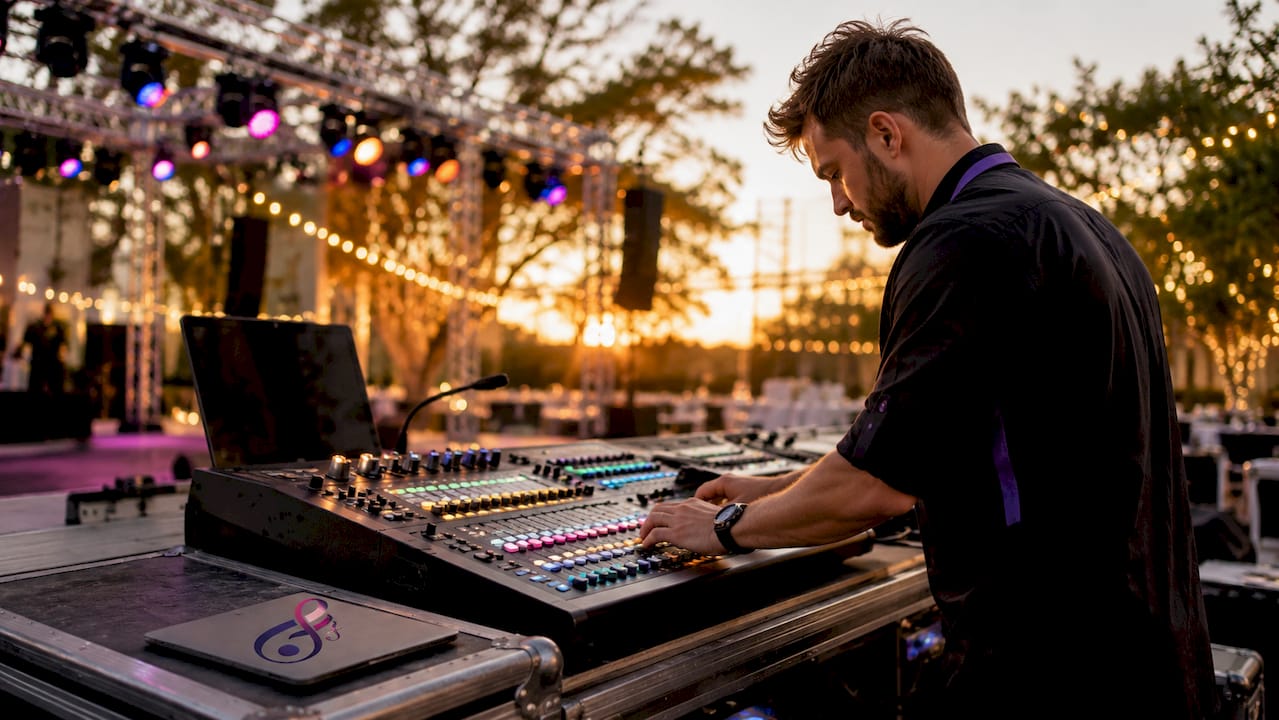
Event lighting is best defined as a coordinated system of instruments and design choices that simultaneously handle multiple event functions, including in-room visibility, video capture quality, branding consistency, and guest safety. That definition matters because it reframes lighting as core event infrastructure rather than a decorative afterthought. A room with poor lighting feels flat and uninviting. A room with well-designed lighting feels alive, intentional, and memorable.
The industry term for this discipline is event lighting design, and it draws from the same principles used in theater, broadcast, and architectural lighting. For couples and families planning celebrations, the practical takeaway is simple: lighting decisions deserve the same attention as catering or music. Fiesta Fusion, which serves Northern Utah with uplighting and event enhancements, treats lighting as a foundational element of every event package it builds.
What are the main types of event lighting?
Event lighting categories break into five distinct types, each serving a different function. Knowing the difference helps you ask the right questions when planning your event.
- Ambient lighting provides general illumination across the entire venue. It sets the base brightness level and ensures guests can move safely and see each other clearly.
- Accent lighting highlights specific décor elements such as centerpieces, floral arrangements, or table settings. It adds visual interest without flooding the room.
- Stage or performer lighting directs focused beams onto speakers, musicians, or performers. It separates the focal point from the rest of the room.
- Architectural uplighting illuminates walls, columns, or drapes from below to add depth and drama. It is one of the most popular choices for weddings and formal events.
- Effect lighting includes moving lights, strobes, lasers, and haze machines. These create high-energy visual moments during dances, entrances, or performances.
How wash lighting, spotlights, and LED fixtures work together
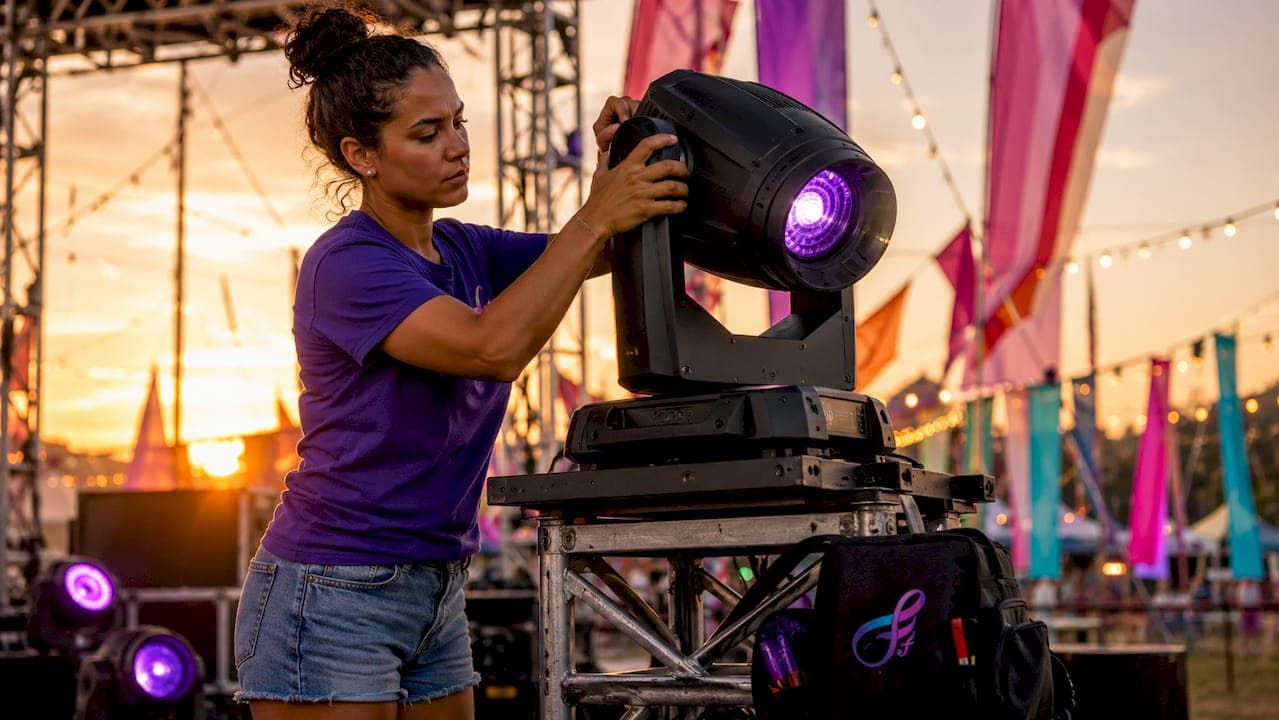
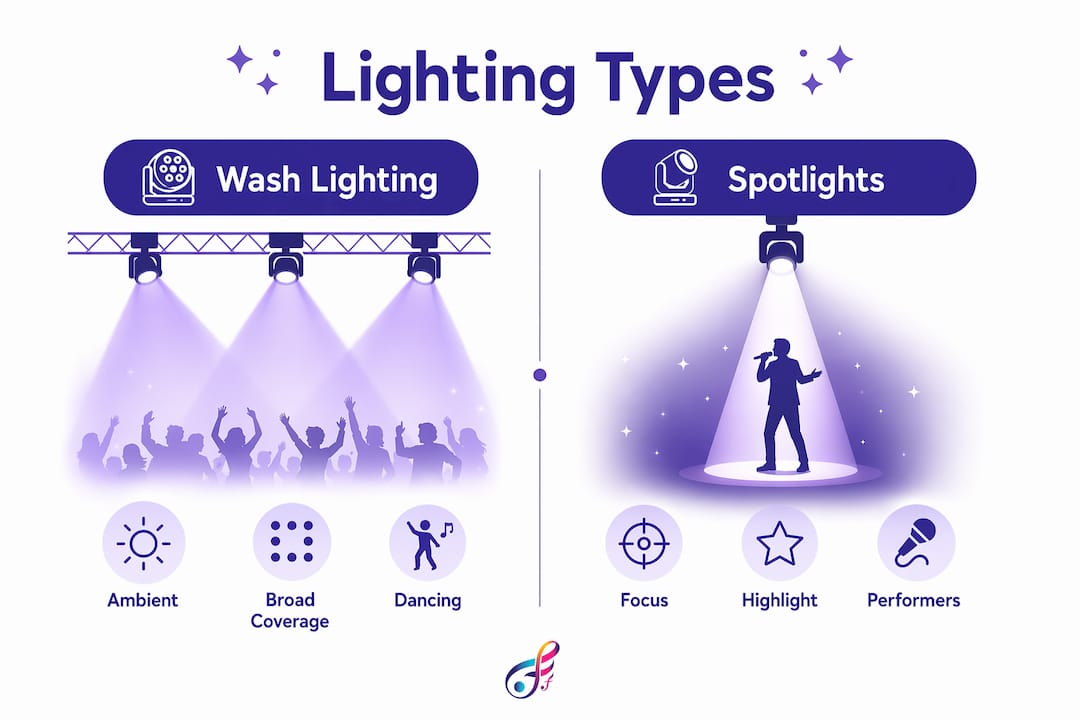
Wash lighting provides broad, even coverage across a stage or room and acts as the foundational base layer before any other fixtures are added. Spotlights deliver a tight, focused beam to draw the eye to a single subject, such as a couple during their first dance. Intelligent LED fixtures combine both functions by offering dynamic color changes, movement, and programmable sequences from a single unit. Together, these three technologies give lighting designers the flexibility to shift the room's mood in seconds.
| Lighting type | Primary function | Best use case |
|---|---|---|
| Wash lighting | Broad ambient coverage | Dance floors, stage fills |
| Spotlighting | Focused subject attention | Speeches, first dances |
| Intelligent LED | Dynamic color and movement | Receptions, concerts |
| Uplighting | Depth and architectural drama | Weddings, galas |
| Effect lighting | High-energy visual peaks | Entrances, dance sets |
How does event lighting create atmosphere and guide attention?
Lighting shapes emotion through four variables: color, intensity, direction, and layering. Warm amber tones create intimacy and romance. Cool blues and purples signal energy and modernity. Dimming the room during a toast draws every eye to the speaker without a single announcement. Audience experience depends on emotional atmosphere and technical lighting layers working in harmony, which is why experienced designers never rely on a single fixture to do all the work.
Direction matters more than most planners expect. Light coming from below creates drama. Light from directly above creates harsh shadows. Front-fill lighting softens faces and makes speakers look polished on camera. When you layer these directions together, the result feels natural even though it is entirely engineered.
Pro Tip: Ask your lighting provider to demonstrate a color wash on your venue walls before the event day. Colors look dramatically different on white walls versus dark drapes, and a quick test prevents surprises on the night.
Effect lighting adds the punctuation marks to your event's story. Moving lights, strobes, and haze are described by lighting professionals as "showstoppers" that provide vibrancy and dramatic accents rather than general illumination. They work best when timed to specific program moments, such as a grand entrance or the peak of a DJ set. Using them continuously dulls their impact and can fatigue guests.
Key benefits of layered lighting design include:
- Guides guest attention without verbal cues
- Improves photo and video quality by controlling shadows and skin tone rendering
- Creates distinct zones within a single venue space
- Allows mood shifts between ceremony, cocktail hour, and reception
- Reinforces branding or color themes for corporate events
What technical factors should event hosts know before booking lighting?
Layered lighting design is the professional standard. Lighting specialists plan ambient fill, key lighting, accents, and background uplighting simultaneously so that no single change compromises guest visibility or presenter focus. For couples and event planners, this means asking providers how they layer their setups rather than simply how many lights they bring.
Here are the most important technical factors to address during planning:
- Venue size and ceiling height. Low ceilings limit rigging options and can make certain fixtures too intense at close range. High ceilings require more powerful fixtures to achieve the same effect on the floor.
- Power availability. Large lighting rigs draw significant power. Confirm with your venue that dedicated circuits are available to avoid tripped breakers mid-event.
- Rigging and safety. Any fixture hung overhead requires proper rigging hardware and safety cables. Reputable providers include this equipment as standard.
- Camera and video requirements. If a photographer or videographer is present, lighting must be bright enough for clean image capture without creating harsh hotspots. Coordinate between your lighting provider and your photo team before the event.
- Effect lighting timing. Strobes and haze require advance notice to venues, and some guests have medical sensitivities. Confirm venue policies and communicate with guests when necessary.
Pro Tip: Request a lighting plot or diagram from your provider before the event. A simple diagram showing fixture placement helps you visualize the final look and catch any gaps in coverage early.
A common mistake is booking effect lighting without confirming the venue allows haze or fog machines. Many hotel ballrooms and historic venues prohibit them because of fire suppression systems. Catching this detail early saves significant stress on the event day.
What are popular uplighting options and their effects?
Uplighting is the practice of placing fixtures at floor level and directing light upward along walls, columns, or drapes. The primary purpose of uplighting is to illuminate the background, add depth to the room, and prevent presenters or subjects from visually blending into their surroundings. That last point is especially valuable for wedding photography, where a well-lit background makes portraits look polished and intentional.
Uplighting placement focuses on controlling background illumination zones to improve subject-background separation and enhance photo and video clarity. In practice, this means placing fixtures at regular intervals around the perimeter of the room and programming them to a color that complements the event's palette.
Popular uplighting applications include:
- Weddings: Soft blush, ivory, or gold tones along reception hall walls to match floral arrangements
- Quinceañeras: Bold magenta or royal purple to create a festive, high-energy atmosphere
- Corporate events: Brand colors projected onto venue walls for consistent visual identity
- Birthday parties: Dynamic color cycling that shifts with the music and energy of the room
Fiesta Fusion offers custom uplighting designs that can be matched to any color palette or event theme, giving couples and families a personalized look without requiring a full production crew. Custom monogram projections pair naturally with uplighting to add a personal signature to the room. For couples exploring all their wedding entertainment options, uplighting is consistently one of the highest-impact additions relative to its cost.
Key Takeaways
Event lighting is core event infrastructure that shapes mood, guides attention, and improves photo quality through coordinated layers of ambient, accent, stage, uplighting, and effect fixtures.
| Point | Details |
|---|---|
| Lighting is infrastructure | Treat lighting as essential as catering; it affects safety, visibility, and guest experience. |
| Five core categories exist | Ambient, accent, stage, uplighting, and effect lighting each serve a distinct function. |
| Layering creates the best results | Combining wash, spot, and effect fixtures produces depth and flexibility no single fixture can match. |
| Uplighting adds depth and drama | Floor-level fixtures aimed upward improve photo quality and separate subjects from backgrounds. |
| Plan for technical details early | Confirm power, rigging, venue policies, and camera coordination before the event day. |
Why lighting is the detail most couples underestimate
I have seen couples spend months choosing centerpieces and less than an hour thinking about lighting. That order of priorities almost always shows up in the photos. A stunning floral arrangement photographed under flat, greenish overhead lighting looks forgettable. The same arrangement under warm, layered uplighting looks like it belongs in a magazine.
The shift I recommend is simple: think of lighting as the filter through which every other design decision gets seen. Your dress, your décor, your cake table. All of it is rendered by light. When the lighting is wrong, nothing else looks right. When the lighting is right, even modest décor looks intentional and beautiful.
The other thing I have learned is that effect lighting requires restraint. Strobes and moving lights are genuinely exciting, and it is tempting to run them all night. The couples who get the best results use effect lighting surgically. Grand entrance: full effect. First dance: soft and intimate. Dance floor set: effects back on. That rhythm keeps guests engaged rather than numbed. Lighting for birthday parties follows the same logic. Energy peaks need contrast to feel like peaks.
My honest advice: book your lighting at the same time you book your DJ or entertainment. The two work together, and coordinating them from the start produces a far more cohesive experience than patching them together at the end.
— Drew Deenie
Fiesta Fusion's lighting services for your next event
Fiesta Fusion brings professional uplighting, custom monogram projections, and event enhancements to weddings, quinceañeras, corporate events, and parties throughout Ogden, Weber County, Davis County, and Salt Lake City.
Every lighting package is built around your venue, your color palette, and your event timeline. Fiesta Fusion's team coordinates directly with photographers and other vendors so the lighting works for everyone in the room, not just the dance floor. Visit Fiesta Fusion's enhancements page to see the full range of lighting and event enhancement options, or explore custom monogram designs to add a personal signature to your celebration. Reach out to Fiesta Fusion at fiestafusion.com to start building your event lighting plan.
FAQ
What is the difference between uplighting and ambient lighting?
Uplighting places fixtures at floor level to illuminate walls and architectural features from below, adding depth and drama. Ambient lighting provides general overhead illumination across the entire venue to ensure visibility and guest comfort.
How many uplights does a typical event venue need?
The number depends on venue size and perimeter length. Most event lighting providers assess the space and recommend fixture counts during a site visit or consultation.
Can event lighting improve wedding photos?
Yes. Layered lighting design controls shadows, skin tone rendering, and background separation, all of which directly improve photo and video quality.
Is effect lighting safe for all guests?
Strobes and haze machines can affect guests with certain medical sensitivities. Notify guests in advance when effect lighting is planned, and confirm venue policies on haze or fog machines before booking.
What is intelligent LED lighting at events?
Intelligent LED fixtures are programmable lights that combine color changing, movement, and effects in a single unit. They give lighting designers flexibility to shift the room's mood without swapping out fixtures.